
Exporting Indian Spices: Meeting the Global Demand
- OVERSEA EXIM PVT. LTD.

- Feb 27
- 4 min read
India has long been known as the land of spices. Its rich soil, diverse climate, and centuries-old traditions make it a prime source of some of the world's most sought-after spices. Today, the global demand for Indian spices continues to grow steadily. Businesses worldwide look to India for authentic, high-quality spices that add flavor and aroma to their products.
The Growing Market for Exporting Indian Spices
The international market for spices is expanding rapidly. Consumers are becoming more adventurous with their cooking, and food manufacturers seek natural ingredients to enhance taste and health benefits. Indian spices fit perfectly into this trend. They offer a wide range of flavors, from the fiery heat of red chili to the warm sweetness of cardamom.
Exporting Indian spices requires understanding market needs and maintaining quality standards. Countries in Europe, North America, the Middle East, and Asia import large quantities of spices from India. The demand is not limited to traditional spices but also includes organic and specialty varieties.
Businesses aiming to enter this market should focus on:
Quality control: Ensuring spices meet international safety and quality standards.
Packaging: Using modern, attractive, and protective packaging to preserve freshness.
Certification: Obtaining certifications like ISO, FSSAI, and organic labels to build trust.
Supply chain management: Efficient logistics to deliver products on time.
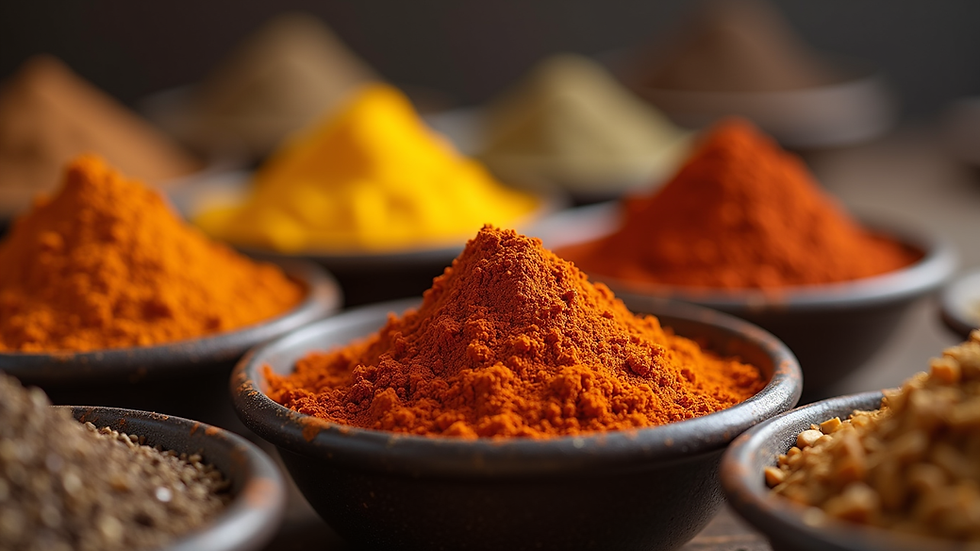
Close-up view of assorted Indian spices in bowls
Key Factors Driving the Demand for Indian Spices
Several factors contribute to the rising global demand for Indian spices. First, the increasing popularity of ethnic cuisines worldwide has introduced consumers to Indian flavors. Restaurants and home cooks alike seek authentic spices to recreate traditional dishes.
Second, the health benefits associated with many Indian spices attract health-conscious consumers. Turmeric, for example, is known for its anti-inflammatory properties. Cumin aids digestion, and cinnamon helps regulate blood sugar levels. These benefits boost the appeal of Indian spices beyond just taste.
Third, the rise of natural and organic food products has increased demand for spices grown without synthetic chemicals. India’s vast organic spice farms cater to this niche market, offering certified organic spices that meet global standards.
Finally, the spice trade benefits from India’s well-established infrastructure and expertise. The country has a robust network of farmers, processors, exporters, and quality control agencies that ensure consistent supply and quality.
Which Spices Are Most Exported from India?
India exports a wide variety of spices, but some stand out due to their volume and value. The most exported spices include:
Chili Peppers: India is one of the largest producers and exporters of chili peppers. They are used fresh, dried, or powdered in many cuisines.
Turmeric: Known for its bright yellow color and medicinal properties, turmeric is in high demand globally.
Cumin: This spice is essential in many spice blends and is widely used in cooking across continents.
Coriander: Both seeds and ground coriander are popular in international markets.
Cardamom: Often called the "queen of spices," cardamom is prized for its unique aroma and flavor.
Black Pepper: India is a major exporter of black pepper, often referred to as the "king of spices."
Fenugreek: Used in cooking and traditional medicine, fenugreek seeds and leaves are exported in large quantities.
These spices form the backbone of the indian spices export industry. Exporters focus on maintaining the purity and aroma of these spices to meet the expectations of international buyers.

Eye-level view of sacks filled with various Indian spices at a market
Challenges and Opportunities in Exporting Indian Spices
Exporting Indian spices comes with its set of challenges. One major issue is maintaining consistent quality. Spices are sensitive to climate, soil, and handling practices. Variations can affect flavor and shelf life. Exporters must invest in proper drying, cleaning, and packaging techniques.
Another challenge is compliance with international regulations. Different countries have varying standards for pesticide residues, contaminants, and labeling. Staying updated and compliant is essential to avoid shipment rejections.
However, these challenges also present opportunities. Exporters who adopt advanced technology and sustainable farming practices can differentiate themselves. Organic and fair-trade certifications open doors to premium markets. Additionally, value-added products like spice blends, essential oils, and extracts offer higher profit margins.
Building strong relationships with overseas buyers is crucial. Transparent communication, timely delivery, and consistent quality help establish trust and long-term partnerships.
Strategies for Success in the Global Spice Market
To succeed in exporting Indian spices, businesses should adopt a strategic approach:
Market Research: Understand the preferences and regulations of target countries.
Product Diversification: Offer a range of spices and value-added products to meet diverse needs.
Brand Building: Develop a strong brand that emphasizes quality, authenticity, and sustainability.
Technology Adoption: Use modern processing and packaging technologies to enhance product appeal.
Supply Chain Efficiency: Optimize logistics to reduce costs and delivery times.
Customer Engagement: Provide excellent service and support to build loyalty.
Oversea Exim Private Limited, for example, aims to become a leading global import and export company by expanding its reach across diverse product categories. Their focus on delivering high-quality Indian goods consistently makes them a trusted trade partner.
By following these strategies, exporters can tap into the growing global demand and build a sustainable business.
The global demand for Indian spices is a promising opportunity for exporters. With the right approach, businesses can leverage India's rich spice heritage to meet international needs. Quality, compliance, and innovation are key to thriving in this competitive market. The future looks bright for those ready to embrace the challenges and deliver the best of Indian spices to the world.
For more information on indian spices export, visit the official site of Oversea Exim Private Limited.


Comments